An attractive island to live on
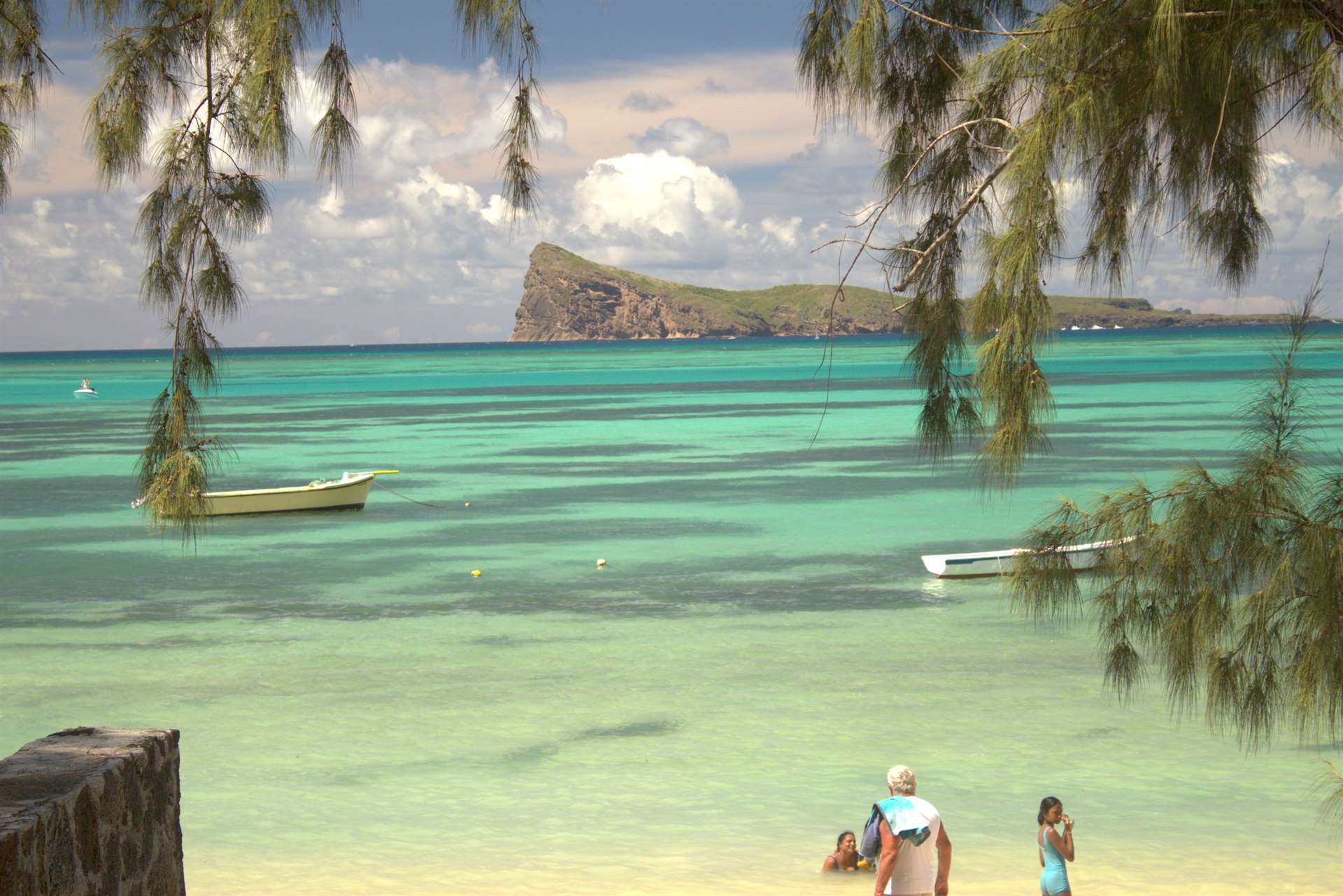
Mauritius is located in the heart of the Mascarene Archipelago, between Rodrigues Island to the east and Reunion Island to the west, in the Indian Ocean. Mauritius – and more broadly the Republic of Mauritius with its small islands – is home to nearly 1.2 million inhabitants. This volcanic island with paradisiacal landscapes, between its fine sandy beaches and its colored heights, welcomes every year new residents joining the Mauritian population. Depending for a long time on sugar cane plantations, the island has been able to reconvert and integrate itself into the globalization process through a diversified economy, notably in agriculture, tourism and technology. Yet it is the financial sector that makes the island prosper: it ranks first in terms of investment climate and governance in Africa, 13ᵉ by the World Bank on the “ease of doing business” indicator and 8ᵉ in terms of “economic freedom.” This meteoric rise is due to the island’s resources, but also to the attractiveness tax policies put in place.
An attractive tax environment
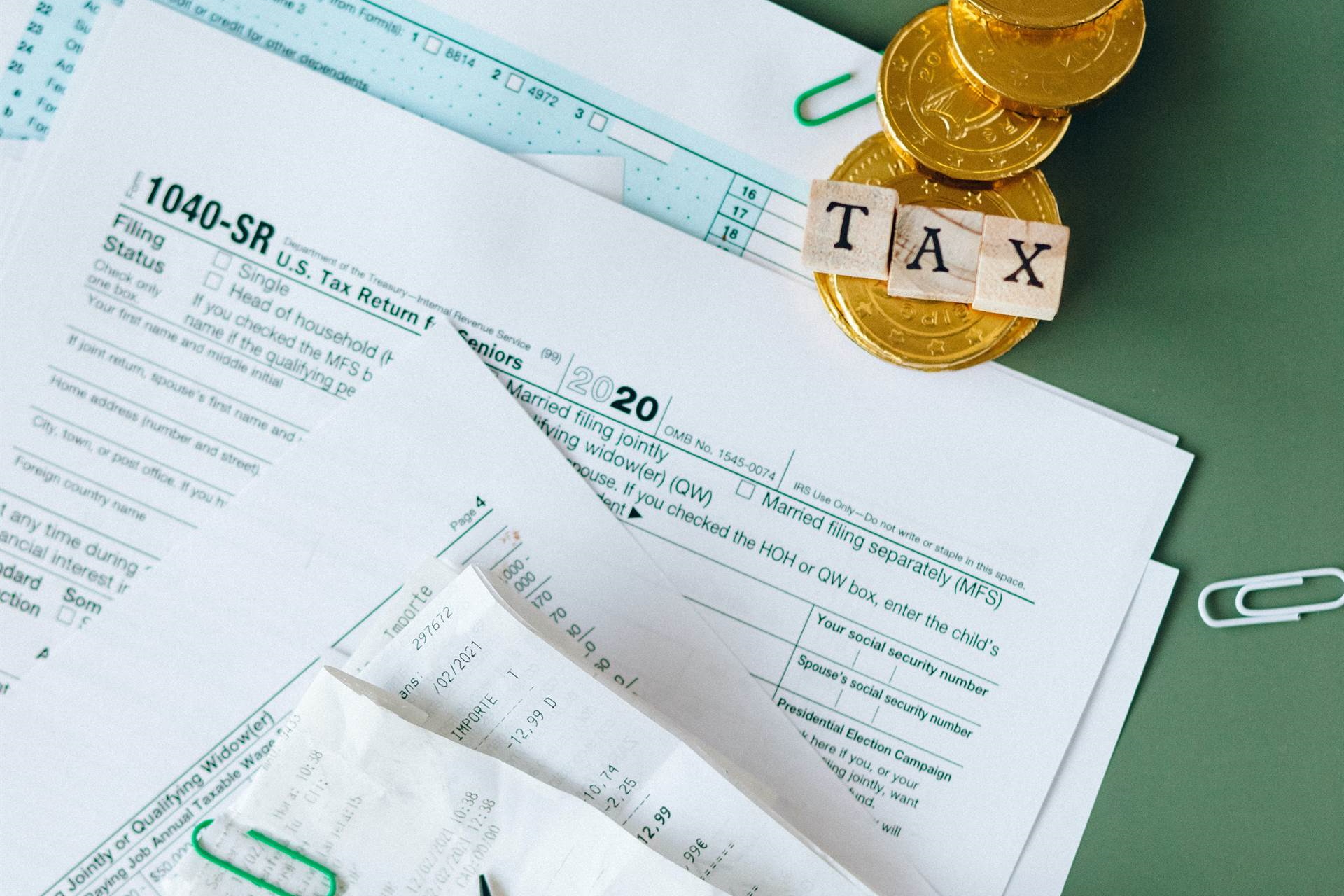
This tax policy was reinforced in 2005 in favor of foreign investors by legislation favorable to tax optimization, as well as to the choice of residence of individuals and companies. It is part of an attractive tax environment. Real estate taxes are very low: only 5% of governmental taxes on the acquisition of a property or on its resale, no capital gains tax on resale, no minimum period before resale of a property and no malus in case of quick resale. Properties are not included in the calculation of the Real Estate Wealth Tax (IFI) and rental income is taxed at only 15%, as is Value Added Tax (VAT). Traders are not taxed on the import of certain products. There is no housing tax, property tax or local tax.

Double taxation treaties: a boon for expatriates and states?
As Mauritius has bilateral treaties with more than 40 countries in the world, it offers double taxation to foreign nationals of these states, thus constituting a boon for tax exemption. These treaties, signed between two countries, allow investors to pay taxes only once. This allows to reduce taxes on income, not only real estate, for residents of the signatory country. The convention between the two countries allows each citizen to choose his tax residence, the country where he wants to be taxed, which in some cases is more interesting in the country of expatriation. The objective of these treaties, in the long run, is to reduce as much as possible or eliminate my double taxation, in exchange for a better control of financial flows and assets. Behind the absence of double taxation, there is a will of the States to limit tax evasion and improve international relations.
Mauritius: an interesting tax system
Mauritian residents have a tax rate that varies between 10% and 15%, depending on their income. As in many countries around the world, to become a resident, you must stay at least 183 days per year in the country, which is at least half the year. There is another possible condition: if you do not have 183 days in the year, you must have stayed at least 270 days in the previous two years. The Residence Permit (RP) is also granted to all investors who have infused a minimum amount of money into the territory. The minimum amount is 375,000 USD (dollars) or its equivalent in euros, which is required when purchasing a property to obtain a PR.
Property acquisition has been allowed for foreigners only since 2002, but only for certain types of properties, within specific real estate programs, of which there are four.
The last type of program is the Property Development Scheme (PDS), which replaced two other programs in 2015 called Integrated Resort Scheme (IRS) and Real Estate Scheme (RES). This program, the most recent one, was designed considering the social and environmental impacts of the projects, and in particular the benefits for the Mauritian communities living on the island. These are luxury projects, such as individual villas, apartments, high standing (condominium type), or land with a recreational function (marina, golf). There is no minimum investment, and they can be resold at any time, even unfinished. These are properties primarily intended for rental, delegated to a real estate service provider in conjunction with the developer. For projects with an investment of more than 375,000 US dollars (USD), they must be carried by permanent residents (or in any case with a PR) who have chosen to be domiciled in Mauritius for tax purposes.
The second type of project is the R+2, which are residences with a first floor and at least two floors. Established in 2016, this type of project is more about buying in condominiums in buildings with at least two floors. The entry price is at least 6 million Mauritian rupees (MUR), which is approximately 120,000 euros (EUR). The purchase can be done on plan, under construction or completed. It is however possible to rent them. As for the PDS, if the investment is higher than 375000 USD, it will entitle you to a residence permit and a tax residence.
The Invest Hotel Scheme (IHS), older, from 2010, are projects that focus more on luxury hotel real estate (hotel rooms, apartments, villas in a resort). There is no minimum amount, and they can be rented in a maximum of 180 days per year over 12 months to the same person.
Smart City projects, from 2015, are rather mixed. They combine housing, commercial areas, recreational or workspaces. They are often high-end and belong to the luxury category. Their minimum prices and sale or rental periods know no limits. If the project exceeds USD 375,000, it entitles the buyer to a Residence Permit.

All these real estate measures allow, through the law of non-double taxation, many opportunities to foreign nationals. A real investment territory, the living environment and the prosperous economy offer optimal conditions on several levels.
